
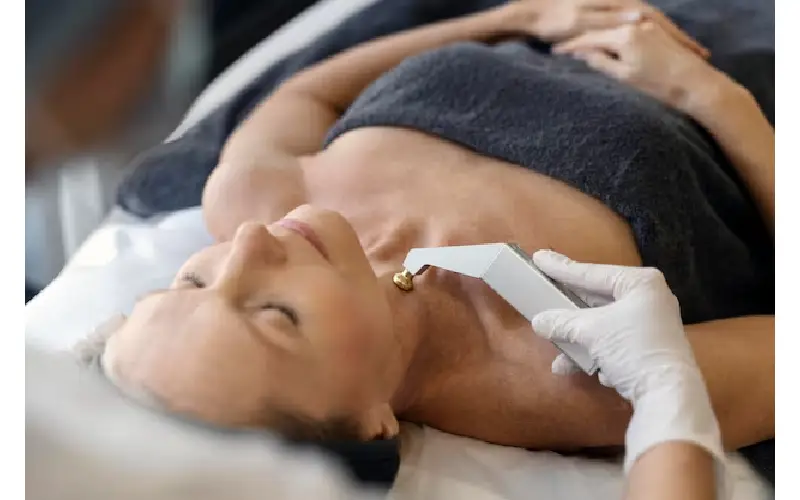
As we age, our skin undergoes various changes, one of the most noticeable being sagging. Saggy skin can be caused by factors such as decreased collagen production, loss of skin elasticity, weight fluctuations, or even prolonged sun exposure. This issue often affects areas such as the face, neck, arms, and abdomen. Fortunately, there are a variety of treatments available to help address sagging skin and restore a youthful appearance. Choosing the right treatment, however, requires careful consideration of several factors. Here’s a guide to help you select the ideal saggy skin treatment for your needs.
Understanding The Causes Of Saggy Skin
Before diving into specific treatments, it’s important to understand the causes of sagging skin. This can help you determine which treatment method might be most effective for you.
- Aging: As we age, our body’s collagen and elastin production decreases. These proteins are essential for maintaining skin’s firmness and elasticity, and their decline results in looseness or sagging.
- Weight Loss: Rapid weight loss can cause the skin to lose its ability to shrink and tighten, leaving behind loose skin.
- Sun Damage: Prolonged exposure to UV rays can break down collagen and elastin, leading to premature aging and sagging skin.
- Genetics: Some individuals are genetically predisposed to experience sagging skin earlier than others, due to differences in skin type, elasticity, or collagen production.
Non-Surgical Treatments For Saggy Skin
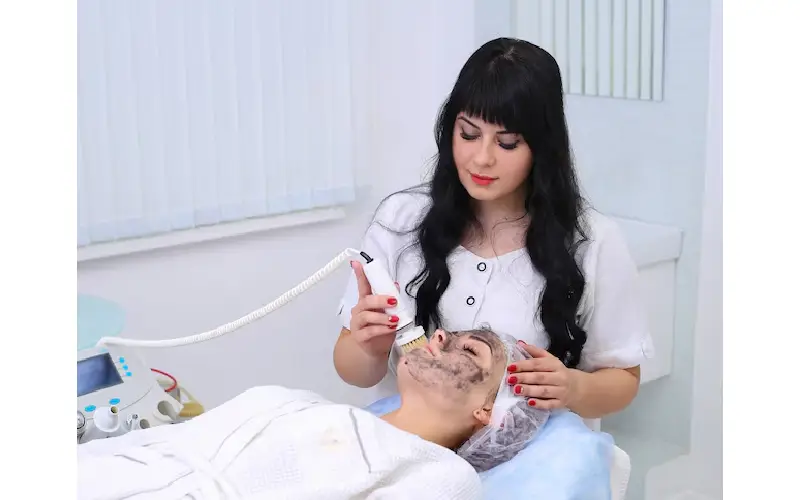
If you’re looking for non-invasive methods to treat sagging skin, several options can help firm and tighten the skin without requiring surgery. These treatments are ideal for individuals who wish to address mild to moderate sagging or are hesitant to undergo surgical procedures.
Laser Skin Tightening
Laser treatments use concentrated light to penetrate the skin and stimulate collagen production. This can improve skin elasticity and reduce sagging over time. Popular laser treatments include:
- Fractional CO2 Laser: This laser stimulates collagen production by creating controlled micro-injuries in the skin, encouraging healing and tightening.
- Nd:YAG Laser: Often used to treat deeper layers of the skin, it stimulates collagen and elastin production, helping improve skin firmness.
Laser treatments are suitable for those with mild to moderate sagging, and they require little to no downtime. However, multiple sessions may be necessary to achieve the desired results.
Radiofrequency (Rf) Therapy
Radiofrequency therapy uses energy to heat the deeper layers of the skin, which stimulates collagen and elastin production. This process helps tighten and firm the skin over time. One popular RF treatment is Thermage, which targets sagging skin around the face, neck, and eyes.
RF treatments can provide noticeable results with minimal discomfort, and sessions typically last between 30 to 90 minutes. Results may take several months to fully appear as collagen continues to rebuild.
Ultrasound Therapy
Ultrasound therapy, such as Ultherapy, uses sound waves to penetrate deep into the skin and stimulate collagen production. This non-invasive treatment can lift and tighten sagging skin, particularly around the face and neck. The procedure is FDA-approved and has shown significant improvements in skin tone and texture.
The treatment is effective for individuals with mild to moderate sagging and requires no downtime. However, some individuals may experience mild discomfort during the procedure, and multiple sessions may be necessary for optimal results.
Microneedling With Radiofrequency
This combined treatment uses small needles to create micro-injuries in the skin, followed by the delivery of radiofrequency energy. The combination encourages the production of collagen and elastin, which helps firm and tighten the skin. Microneedling with radiofrequency is effective for those with moderate skin laxity, particularly around the face and neck.
This treatment is minimally invasive and typically requires multiple sessions for noticeable results. Some redness and swelling may occur immediately after the procedure, but these side effects generally subside within a few days.
Injectables: Fillers And Botox
For localized sagging or volume loss, dermal fillers and Botox can be effective solutions. Fillers such as hyaluronic acid or poly-L-lactic acid can restore volume in areas like the cheeks, jawline, and under the eyes, reducing the appearance of sagging. Botox can temporarily relax the muscles that cause wrinkles and sagging, providing a smoother, more youthful look.
Injectable treatments require little to no downtime and offer instant results. However, the effects are temporary and will require touch-up treatments every few months.
Surgical Treatments For Saggy Skin
For individuals with more significant sagging, surgical procedures may be the best option. Surgical treatments are generally more invasive but provide longer-lasting results compared to non-surgical methods. Below are some of the most common surgical treatments for saggy skin.
Facelift (Rhytidectomy)
A facelift is a surgical procedure that removes excess skin and tightens underlying muscles to provide a more youthful appearance. This treatment is particularly effective for sagging skin around the face, neck, and jawline. A facelift can address deep wrinkles, jowls, and sagging cheeks, providing long-lasting results.
The procedure typically requires general anesthesia and involves several weeks of recovery. The results can last for several years, but the procedure is best suited for individuals with significant sagging or those seeking more dramatic improvements.
Neck Lift
A neck lift targets sagging skin in the neck area, which is particularly common with age. The procedure involves tightening the skin and muscles around the neck and jawline, resulting in a more defined and youthful neckline. A neck lift is often performed in conjunction with a facelift for comprehensive facial rejuvenation.
Like a facelift, a neck lift requires general anesthesia and a recovery period of several weeks. However, the results can last for many years, offering a significant reduction in sagging.
Body Lift Surgery
For individuals with sagging skin after significant weight loss, a body lift may be the best option. This procedure involves removing excess skin from various areas of the body, including the abdomen, thighs, and arms. A body lift provides a more toned and youthful appearance by addressing loose skin that often results from drastic weight loss.
Body lift surgery requires general anesthesia and can involve several months of recovery. It is particularly beneficial for individuals who have lost a substantial amount of weight and are struggling with loose skin.
Tummy Tuck (Abdominoplasty)
A tummy tuck is a surgical procedure that removes excess skin and tightens the abdominal muscles. It is ideal for individuals with sagging skin after pregnancy, weight loss, or aging. This procedure can significantly improve the appearance of the stomach area, providing a firmer and more toned look.
A tummy tuck requires general anesthesia and a recovery period of several weeks. The results are long-lasting, and many patients report feeling more confident and comfortable with their bodies post-surgery.
How To Choose The Right Saggy Skin Treatment For You?
When selecting a saggy skin treatment, several factors should be considered:
- Severity of Sagging: For mild to moderate sagging, non-surgical treatments like laser skin tightening, radiofrequency therapy, or microneedling may be effective. For more significant sagging, surgical procedures like facelifts or tummy tucks might be necessary.
- Recovery Time: Non-surgical treatments typically require minimal recovery time, whereas surgical procedures involve a longer healing period.
- Budget: Non-invasive treatments generally cost less than surgical options, but they may require multiple sessions to achieve desired results. Surgical procedures tend to have a higher upfront cost but offer longer-lasting results.
- Desired Results: If you’re seeking dramatic, long-lasting results, surgery might be the better option. However, for those looking for a more subtle improvement, non-surgical treatments may be sufficient.
- Consultation with a Specialist: Before making a decision, it’s essential to consult with a dermatologist or plastic surgeon who specializes in treating sagging skin. They can assess your skin, discuss your goals, and recommend the most appropriate treatment for your needs.
Conclusion
Choosing the right saggy skin treatment depends on various factors, including the severity of your skin concerns, your desired results, and your tolerance for recovery time. Whether you opt for non-surgical treatments like laser therapy and fillers or more invasive options like facelifts and tummy tucks, there are solutions to help you restore a firmer, youthful appearance. Consulting with a qualified specialist is key to selecting the best treatment for your unique needs and achieving the results you desire.
Resource Url:
https://organicskinstudio.com/sofwave-treatment/

Arnulfo Buchanan, a passionate blogger based in the United States, indulges in crafting captivating content on business, technology, and travel. With a keen interest in exploring diverse topics, Arnulfo brings fresh insights and engaging narratives to readers worldwide.
 Justin Gomez