
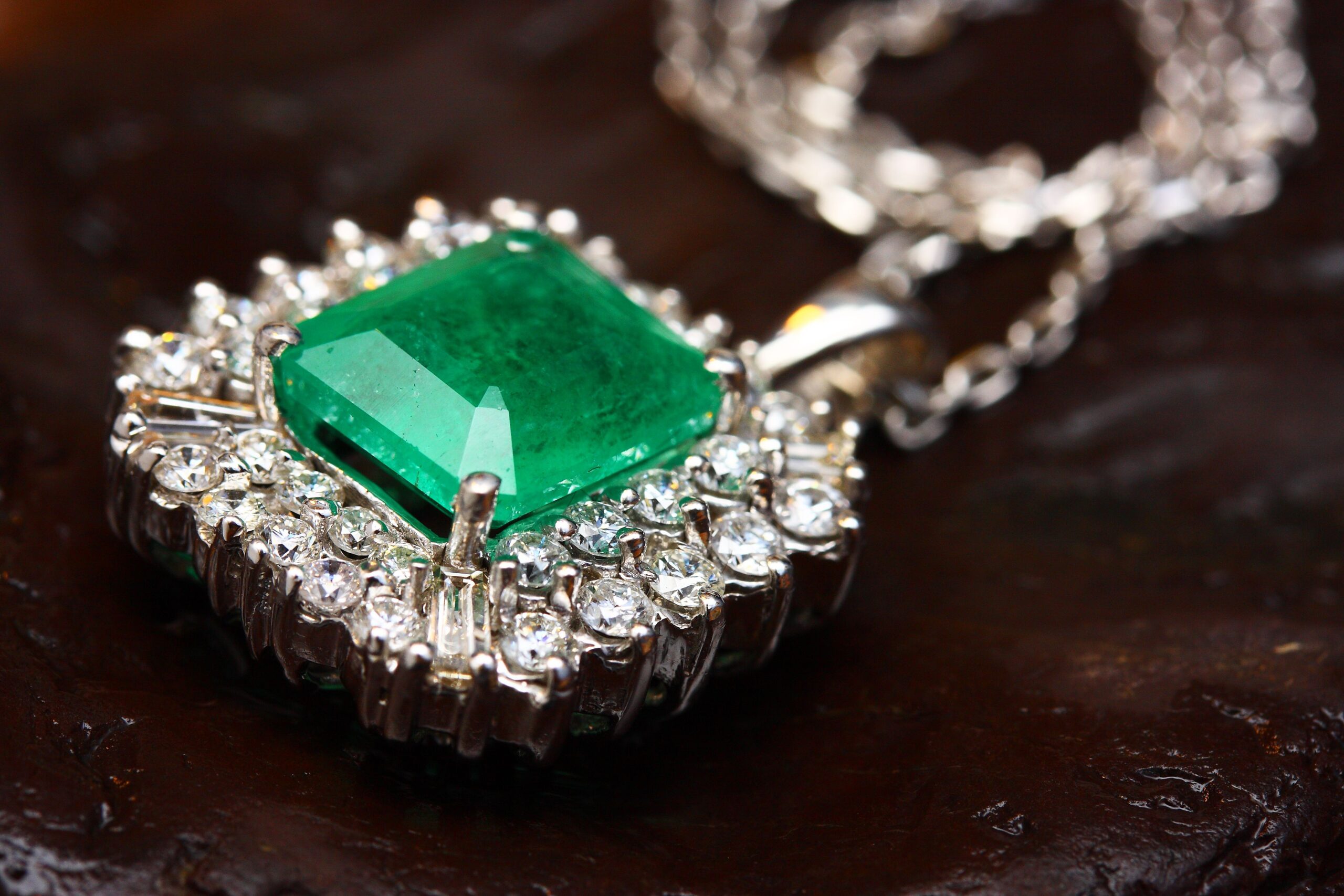
Lab-grown diamonds have become a significant part of the fine jewelry market over the past decade. Chemically and physically identical to mined diamonds, they are produced in controlled environments using advanced technology. For buyers weighing their options, understanding the practical differences between lab-grown and natural stones is key to making an informed purchase.
How Lab-Grown Diamonds Are Made
Two primary methods are used to create lab-grown diamonds. High Pressure High Temperature (HPHT) mimics the natural conditions under which diamonds form deep in the earth by applying intense pressure and heat to a carbon seed. Chemical Vapor Deposition (CVD) grows a diamond layer by layer from a carbon-rich gas in a vacuum chamber. Both methods produce genuine diamonds graded by the same standards as mined stones. The GIA and IGI both grade lab-grown diamonds and issue certificates that document the same four Cs — cut, color, clarity, and carat weight — that apply to natural diamonds.
Price Difference and Value
Lab-grown diamonds typically cost 50 to 70 percent less than comparable natural diamonds. This price difference allows buyers to purchase a significantly larger or higher-quality stone for the same budget. A buyer who might afford a 0.75ct natural diamond could instead purchase a 1.5ct lab-grown diamond of similar cut and color grade. This makes lab-grown stones a practical choice for engagement rings, anniversary gifts, and fashion jewelry where visual impact matters. The resale market for lab-grown diamonds is still developing, so buyers who prioritize long-term value retention may factor this into their decision.
Ethical and Environmental Considerations
Lab-grown diamonds are conflict-free by nature since they have no mining supply chain. They also require no land disruption or the displacement of communities associated with some mining operations. However, the energy required to produce lab-grown diamonds can be substantial, particularly for HPHT production. Some producers use renewable energy sources, which significantly reduces the carbon footprint of lab-grown stone production.
Choosing the Right Lab-Grown Diamond
The same selection criteria that apply to natural diamonds apply to lab-grown stones. Prioritize cut above all other factors for maximum brilliance. For lab-grown stones, a color grade of D through H is recommended since the production process can sometimes result in slight post-growth color if graded lower. Reputable online retailers offering lab-grown diamond jewelry provide full grading certificates, detailed imaging, and clear return policies, making it straightforward to compare options and purchase with confidence.

Justin Gomez is an accomplished writer and editor with over a decade of experience in the publishing industry. He has written extensively for both print and digital magazines, as well as for websites, blogs, and other forms of media. His writing focuses on topics such as music, film, and pop culture, and he has a passion for exploring new cultures and ideas. He is also an avid film buff and loves to watch classic films with friends. Justin is currently based in Los Angeles, California, and is always looking for new opportunities to share his stories.