
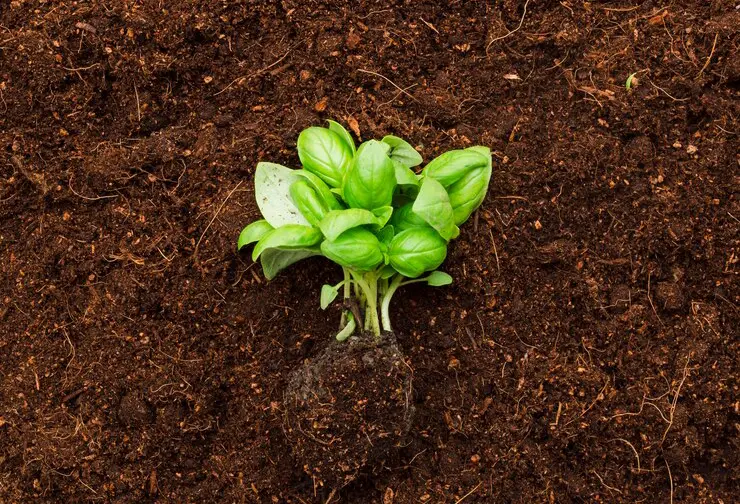
Top soil is the uppermost layer of soil, typically about 5 to 12 inches deep, and it is where most plant roots grow and absorb nutrients. This layer is rich in organic material, making it the most fertile and biologically active part of the earth’s surface. If you’re gardening, landscaping, or even farming, top soil plays a critical role in the success of your plants.
Why Top Soil Matters
Top soil is vital for plant growth because it contains a high concentration of organic matter such as decomposed plants and animals, which provides essential nutrients for growing plants. Without healthy top soil, your plants may struggle to get the nutrients, water, and air they need for robust growth. Here’s why it’s important:
- Nutrient-Rich: Top soil is where plants absorb most of their nutrients, making it essential for healthy vegetation.
- Water Retention: It helps retain water, ensuring that plants receive a steady supply of moisture.
- Root Growth: This layer is loose and well-aerated, allowing roots to spread and grow more efficiently.
- Biological Activity: Healthy top soil is home to microorganisms like bacteria and fungi, which break down organic material, providing a continuous supply of nutrients to plants.
Different Types of Top Soil
Not all top soil is the same, and understanding the different types can help you choose the best one for your gardening or landscaping needs.
- Sandy Top Soil: This type is great for areas that require good drainage but may need added compost or organic material to improve its nutrient content.
- Clay Top Soil: Clay-rich top soil holds water well but can compact easily. Mixing it with compost improves its texture and water absorption.
- Loamy Top Soil: Considered ideal for most gardening projects, loamy top soil is a balanced mix of sand, silt, and clay, providing excellent water retention, nutrient supply, and aeration.
- Peaty Top Soil: With a high organic matter content, this type is naturally acidic and holds moisture well. It’s often used for growing plants that prefer acidic conditions like berries and certain shrubs.
How to Choose the Best Top Soil for Your Garden
When selecting top soil for your garden, it’s important to consider the soil’s composition, the type of plants you’re growing, and the local climate. If your plants require a nutrient-rich, well-drained environment, loamy top soil may be the best choice. For plants that need more moisture, a peaty soil might be ideal.
It’s also a good idea to test the pH of your top soil, especially if you’re growing specific crops that prefer certain pH levels. Adding organic matter such as compost can improve the quality of your top soil, making it more suitable for a wider range of plants.
Improving Your Existing Top Soil
If your garden’s top soil is poor or lacks nutrients, don’t worry! There are ways to enhance its quality:
- Add Compost: Organic material like compost can boost the nutrient content and improve the soil structure.
- Mulching: Applying mulch can prevent erosion and retain moisture in the top soil layer.
- Soil Aeration: Loosening compacted top soil with tools like aerators allows for better water penetration and root growth.
Top Soil vs. Garden Soil: What’s the Difference?
While top soil and garden soil are often used interchangeably, there’s a key difference. Top soil is the natural layer of earth you find outdoors, whereas garden soil is a mix of top soil and other organic materials that are specifically blended to create an ideal growing environment for plants. Garden soil is often more enriched, making it perfect for raised beds, potted plants, and container gardens.
Where to Buy Quality Top Soil
You can buy top soil from most garden centers or landscaping suppliers. When purchasing, look for soil that is dark in color, crumbly in texture, and free from rocks or debris. If you’re in need of high-quality top soil, Minick Materials offers a wide selection of top soil blends designed to improve the health and vitality of your garden.
Conclusion
Top soil is a critical component for a successful garden. By understanding its types, benefits, and how to improve or choose the right soil, you can give your plants the best foundation for healthy growth. Whether you’re laying a new lawn, planting flowers, or starting a vegetable garden, investing in quality top soil will ensure that your garden thrives for years to come.

Justin Gomez is an accomplished writer and editor with over a decade of experience in the publishing industry. He has written extensively for both print and digital magazines, as well as for websites, blogs, and other forms of media. His writing focuses on topics such as music, film, and pop culture, and he has a passion for exploring new cultures and ideas. He is also an avid film buff and loves to watch classic films with friends. Justin is currently based in Los Angeles, California, and is always looking for new opportunities to share his stories.