
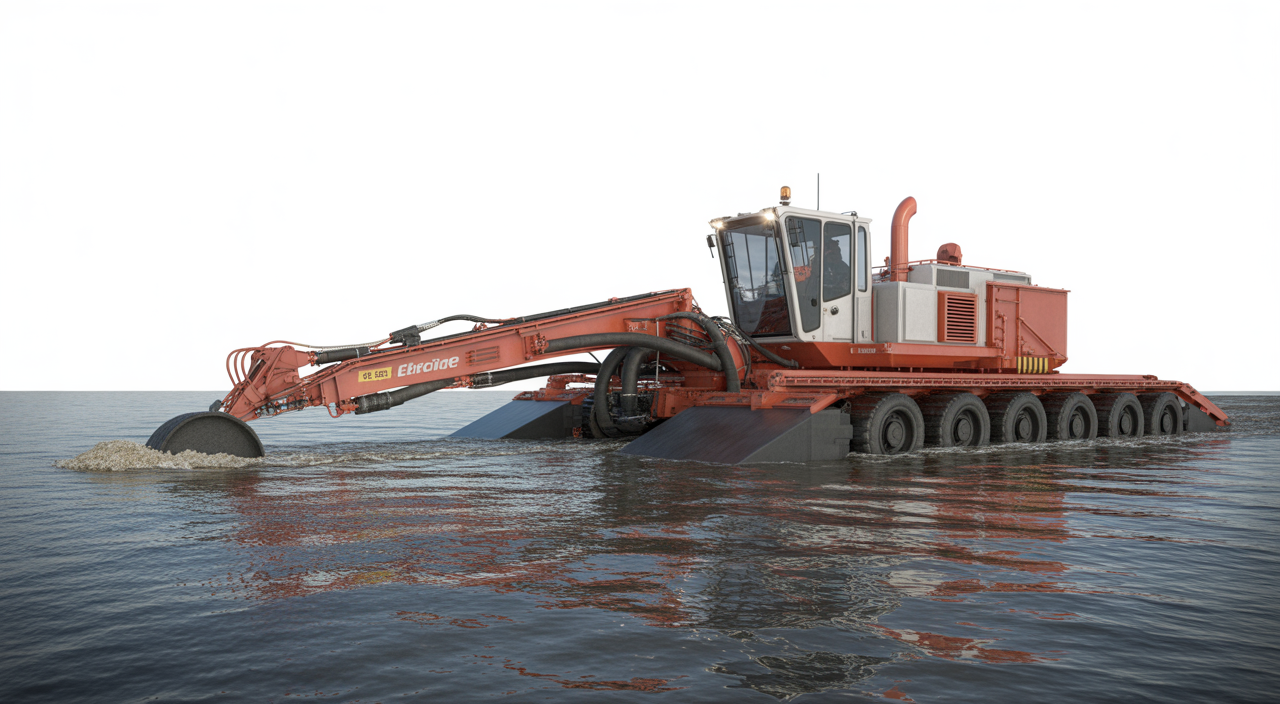
Dredging is essential for maintaining waterways, reclaiming land, and managing sediment. But traditional dredging methods can be tough on the environment. That’s where electric dredge systems come in. They offer a cleaner, quieter, and often more efficient way to get the job done.
In this guide, we’ll dive deep into the world of electric dredges. We’ll explore what they are, how they work, their benefits, and how to choose the right one for your specific needs.
Imagine this: a bustling marina needs to remove built-up sediment. A traditional diesel dredge would roar to life, spewing exhaust fumes and creating a noisy disturbance. But an electric unit? It hums quietly, minimizing disruption to boaters and the surrounding ecosystem. Let’s explore why this makes a difference.
What is an Electric Dredge?
An electric dredge is a piece of machinery used to remove sediment and debris from underwater environments. Unlike traditional dredges powered by diesel engines, electric dredges run on electricity. This can come from the grid, generators, or even renewable sources like solar power.
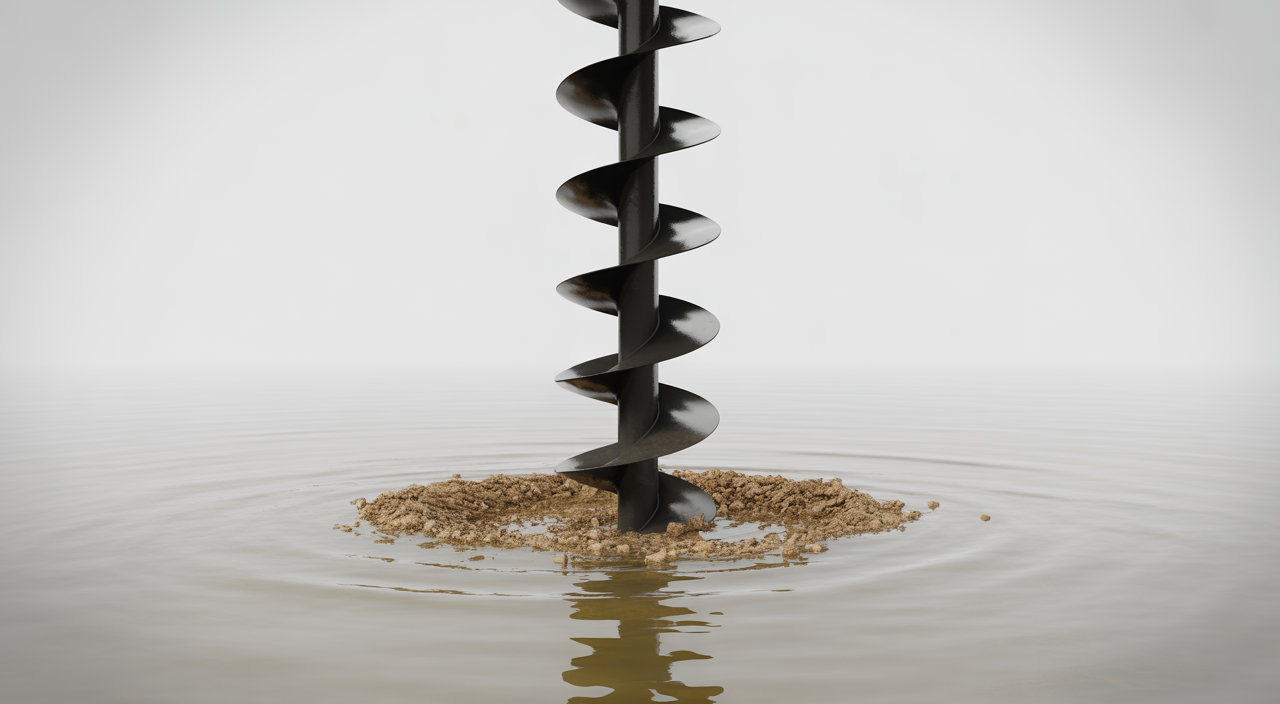
The core components of such a unit include an electric motor, a pump, and a dredging head. The motor powers the pump, which creates suction to lift sediment and water. The dredging head, which can be an auger, cutterhead, or other specialized tool, loosens and collects the material. Many manufacturers offer electric auger dredges designed for efficient sediment removal.
Types of Electric Dredges
Electric dredges come in various types, each suited for different tasks and environments.
- Auger Dredges: Ideal for removing loose sediment and sludge from ponds, lakes, and canals.
- Cutter Suction Dredges: Use a rotating cutterhead to break up compacted material before it’s suctioned away.
- Jet Dredges: Employ high-pressure water jets to loosen sediment, making it easier to pump.
- Submersible Dredges: Fully submersible units are perfect for working in deep or confined spaces.
Benefits of Electric Dredges
Electric dredges offer a range of advantages over their diesel-powered counterparts.
Environmental Advantages
- Reduced Emissions: Eliminating diesel exhaust significantly reduces greenhouse gas emissions and air pollution.
- Lower Noise Pollution: Electric motors are much quieter than diesel engines, minimizing disturbance to aquatic life and nearby communities.
- Reduced Risk of Spills: No fuel tanks on board reduces the risk of fuel spills, protecting water quality.
Economic Advantages
Curious about the cost savings?
- Lower Operating Costs: Electricity is often cheaper than diesel fuel, leading to significant savings over time.
- Reduced Maintenance Costs: Electric motors have fewer moving parts than diesel engines, requiring less maintenance.
- Potential for Government Incentives: Many regions offer incentives for using environmentally friendly equipment.
Operational Advantages
- Suitable for Sensitive Environments: Their quiet operation and lack of emissions make them ideal for use in ecologically sensitive areas.
- Precise Control and Maneuverability: Electric motors offer precise control, allowing for accurate dredging in tight spaces.
- Reduced Downtime: Electric dredges tend to have less downtime due to the reliability of electric motors.
Applications of Electric Dredges
Electric dredges are versatile machines suitable for a wide array of applications. Where can these powerful units make the biggest difference?
- Lake and Pond Restoration: Removing excess sediment to improve water quality and aquatic habitats.
- Marina Maintenance: Keeping navigation channels clear and preventing the buildup of silt around docks.
- Mining Operations: Extracting valuable minerals from underwater deposits.
- Environmental Cleanup Projects: Removing contaminated sediment from rivers, harbors, and industrial sites.
- Industrial Wastewater Treatment: Cleaning out sludge and debris from wastewater treatment ponds.
Electric Dredge vs. Diesel/Hydraulic Dredge: A Detailed Comparison
Choosing the right type of dredge is crucial. Let’s compare electric dredges to diesel and hydraulic models.
- Cost: Electric dredges often have a higher upfront cost but lower operating and maintenance expenses.
- Performance: Diesel and hydraulic dredges may offer more power for heavy-duty tasks, but electric dredges are often sufficient for many applications.
- Environmental Impact: Electric dredges win hands down in terms of emissions and noise pollution.
- Maintenance: Electric motors generally require less maintenance than diesel engines or hydraulic systems.
- Suitability: Electric dredges are best suited for environmentally sensitive areas and projects where noise is a concern.
Addressing Common Concerns About Electric Dredges
Some common concerns about electric dredges include:
- Power Requirements: Ensuring a reliable power supply is available.
- Reliability and Durability: Electric dredges are generally reliable, but proper maintenance is essential.
- Performance in Challenging Conditions: Electric dredges may not be suitable for extremely heavy-duty applications.
- Safety Considerations: Following proper safety procedures when working with electricity.
How to Choose the Right Electric Dredge
Selecting the right electric dredge involves careful consideration.
- Assess Your Needs: Determine the type and volume of material to be dredged.
- Consider the Dredge Type: Choose the appropriate dredge type (auger, cutter suction, etc.) for your specific task.
- Evaluate Size and Capacity: Select a dredge with the right capacity for your project’s scale.
- Choose a Reputable Manufacturer: Ensure the manufacturer has a proven track record of quality and reliability. If you are looking for ways to choose the best dredging equipment manufacturer, this guide can assist.
- Factor in Cost of Ownership: Consider both upfront costs and ongoing operating and maintenance expenses.
Case Studies: Successful Electric Dredge Deployments
Real-world examples showcase the effectiveness of electric dredges. Consider a lake restoration project where an electric auger dredge was deployed. It successfully removed nutrient-rich sediment, leading to a dramatic improvement in water quality and the flourishing of aquatic habitats. Similarly, a busy marina achieved clear navigation channels by using an electric cutter suction dredge, minimizing disruption to boat traffic and ensuring smooth operations for everyone.
FAQ: Frequently Asked Questions About Electric Dredges
Q: Are electric dredges more expensive than diesel dredges?
A: The upfront cost may be higher, but lower operating and maintenance costs can lead to long-term savings.
Q: What is the lifespan of an electric dredge?
A: With proper maintenance, a well-maintained unit can last for many years.
Conclusion
Electric dredges offer a compelling combination of environmental responsibility, economic efficiency, and operational precision. By carefully assessing your needs and selecting the right model, you can harness the power of electric dredging to achieve your project goals while minimizing your impact on the planet. Consider the benefits of electric power for a more sustainable energy solution.

Justin Gomez is an accomplished writer and editor with over a decade of experience in the publishing industry. He has written extensively for both print and digital magazines, as well as for websites, blogs, and other forms of media. His writing focuses on topics such as music, film, and pop culture, and he has a passion for exploring new cultures and ideas. He is also an avid film buff and loves to watch classic films with friends. Justin is currently based in Los Angeles, California, and is always looking for new opportunities to share his stories.