
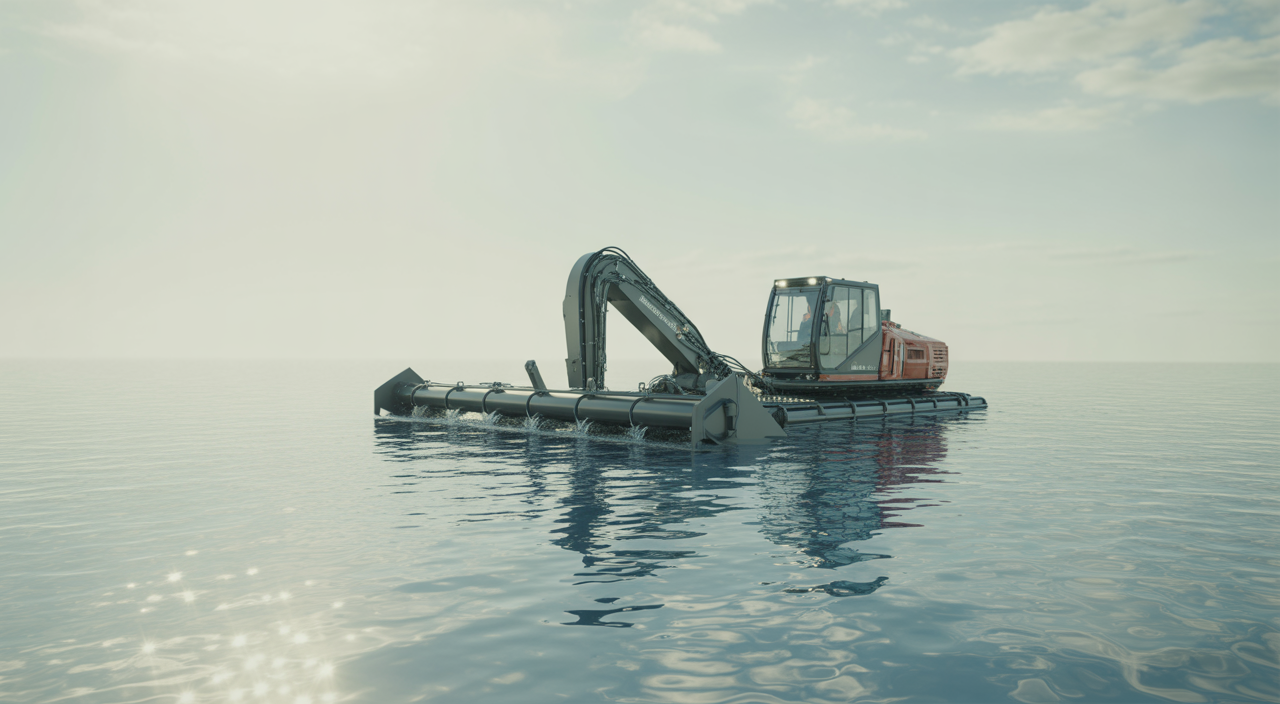
Is your wastewater lagoon or farm pond losing its essential capacity? Are you facing challenges with odors, inefficient treatment, or meeting environmental rules? These are common issues when sludge and sediment build up over time. But there’s a powerful solution for these problems. It’s called a lagoon dredge.This guide will explain what a lagoon dredge is and how it works. We’ll explore the many benefits of using one. We will also look at different types of dredges. Our special focus will be on their crucial role in modern agriculture. Let’s dig into how this equipment can help you manage your lagoons better.
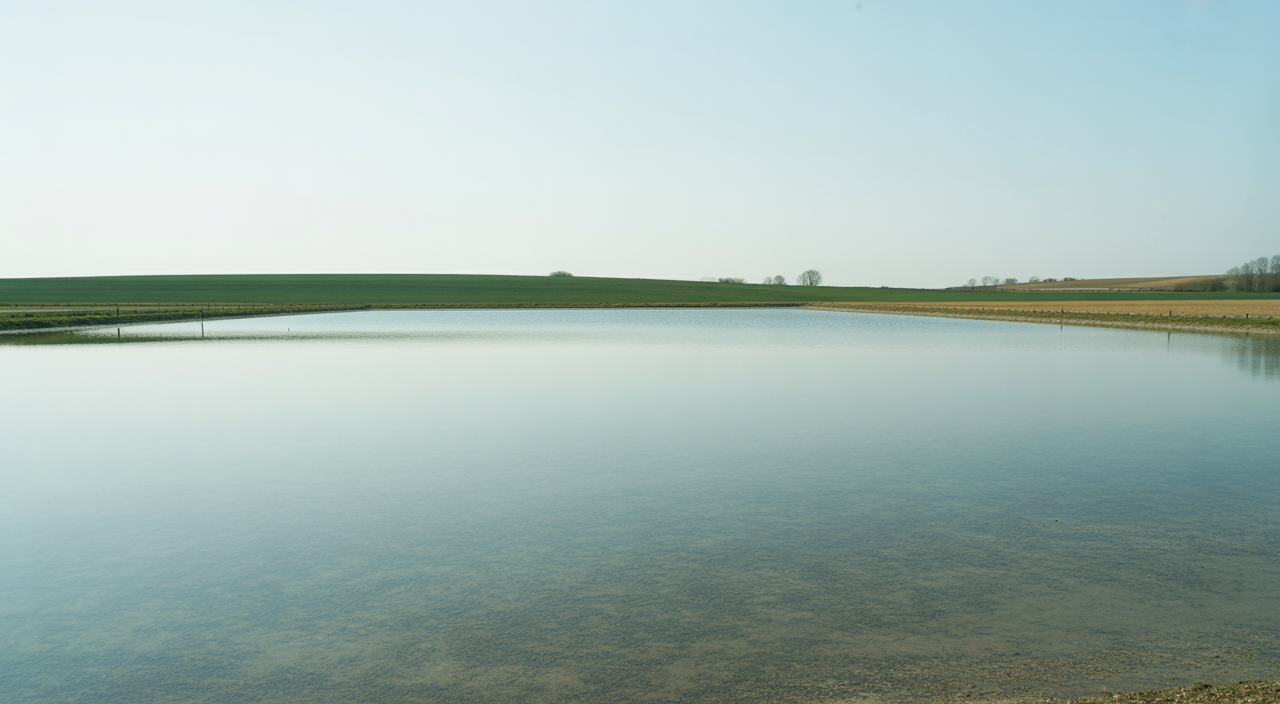
What is a Lagoon Dredge and How Does It Work?
A lagoon dredge is a specialized machine. It’s designed to remove accumulated solids from the bottom of lagoons. These solids can be sludge, sediment, or other waste materials. Think of it as a heavy-duty vacuum cleaner for water bodies.The basic idea behind dredging is simple. First, the dredge loosens the packed material at the bottom. Then, it pumps this material out of the lagoon. This pumped mixture of solids and water is often called “slurry.” This slurry is then transported to another location. There, the solids are often separated from the water for proper disposal or reuse.
Defining the Lagoon Dredge
Unlike a regular excavator, a lagoon dredge works underwater. It is specifically built for submerged environments. Its main job is to handle muddy or sludgy mixtures. This makes it perfect for cleaning industrial or agricultural lagoons.
The Basic Principles of Dredging
Most modern dredges use a powerful pump to create suction. This suction pulls the sludge from the lagoon bed. Some dredges also have cutters or agitators. These tools help break up thick, heavy sludge. This makes it easier to pump. The dredged material then travels through a pipeline. This pipeline carries it to its next destination, which could be a dewatering site or a storage area.
Why Lagoon Dredging is Critical: Unpacking the Benefits
Regular dredging offers many advantages. It helps solve many common problems associated with lagoons. These benefits are important for both the environment and your operations.
Restoring and Maximizing Lagoon Capacity
Over time, sludge builds up. This buildup reduces the amount of water your lagoon can hold. It also lowers its effective treatment volume. Dredging removes this unwanted material. This restores the lagoon’s original capacity. It saves you the high cost of building new lagoons or expanding existing ones.
Improving Water Quality and Treatment Efficiency
Sludge at the bottom of a lagoon can be a source of pollution. It can release harmful substances back into the water. Removing this sludge improves the overall water quality. It also helps treatment processes, like those in wastewater lagoons, work better.
Mitigating Odor Issues and Environmental Impact
Decomposing sludge often creates foul odors. These smells can be very unpleasant. They can lead to complaints from neighbors. Removing the sludge reduces these odors significantly. This also helps lower the environmental footprint. It means less harmful runoff into nearby areas.
Ensuring Regulatory Compliance and Avoiding Fines
Governments often have strict rules for lagoon management. These rules aim to protect the environment. Sludge buildup can cause you to fall out of compliance. Regular dredging helps you meet these environmental standards. This prevents costly fines and legal issues.
Extending Lagoon Lifespan and Reducing Maintenance Costs
Proactive dredging keeps your lagoon healthy. It prevents severe sludge accumulation. This can avoid expensive emergency cleanouts. It also extends the useful life of your lagoon. This saves money in the long run.
Types of Lagoon Dredges: Choosing the Right Tool for the Job
Not all dredges are the same. The best type depends on your specific needs. Key factors include the size of your lagoon, the type of sludge, and your budget.
Hydraulic Dredges
Hydraulic dredges are very common. They use a powerful pump to create a mixture of water and solids, called slurry.
- Pros: They are very efficient for removing large volumes of sludge. They can operate continuously. Many can be controlled remotely, which is safer. They cause minimal disturbance to the lagoon water.
- Cons: The removed slurry contains a lot of water. This means it often needs further dewatering.
These dredges are excellent for situations where precise, continuous removal is needed. They are particularly well-suited for processing softer, fine-grained sludge.
Mechanical Dredges (Briefly)
Mechanical dredges use tools like buckets or excavators. They physically scoop up the material.
- Pros: They are good for very thick, consolidated sludge or if there are large debris.
- Cons: They are often slower and can cause more disruption to the lagoon. Sometimes, the lagoon needs to be partially drained for them to work effectively.
Specialized Dredges
Dredges also come with different mobility options. Some are self-propelled, meaning they can move themselves. Others are cable-driven, pulled by winches from the shore. Many modern dredges also offer automated operation. This allows for more precise and less labor-intensive work.
Focus on the Farm: Agricultural Lagoon Dredging Systems
Agricultural lagoons, especially those managing manure, have unique challenges. A dedicated dredging system can make a big difference.
Unique Challenges of Agricultural Lagoons
Farms deal with specific kinds of waste. Manure lagoons, for instance, contain high solids content. They also have particular nutrient profiles. Odor control is a constant concern for livestock operations. Farmers also face strict rules about nutrient runoff. It’s crucial that any solution works with minimal disruption to daily farm activities.
The Benefits of Dredging for Farmers
Dredging agricultural lagoons offers clear advantages:
- Recovering Valuable Nutrients: Sludge from manure is rich in nutrients. Dredging allows farmers to recover these as a natural fertilizer. This can reduce the need for expensive chemical fertilizers.
- Maintaining Manure Storage Capacity: Farms need consistent storage for waste. Dredging keeps lagoons at their full capacity.
- Improving Biogas Production: For farms with anaerobic digesters, dredging can help maintain optimal conditions for biogas generation.
- Enhancing Farm Sustainability and Public Relations: Proper waste management shows environmental responsibility. It also helps maintain good relationships with neighbors.
Key Considerations for Agricultural Lagoon Dredges
When choosing a dredge for a farm, consider how it handles different sludge types. It needs to be easy to operate and maintain. Think about how far the material needs to be pumped. Durability is also vital due to corrosive materials. For efficient, reliable, and sustainable solutions tailored to these needs, exploring agricultural dredging systems is essential. They are specifically engineered to tackle the unique demands of farm lagoons, ensuring optimal performance and compliance.
Planning Your Lagoon Dredging Project: What to Consider
Before you start any dredging work, careful planning is important. This ensures a successful and cost-effective project.
Assessing Your Lagoon
First, you need to understand your lagoon. How deep is the sludge? How much volume does it take up? What are the characteristics of the sludge? Is it thick or thin? Is it abrasive? This information helps choose the right equipment.
Dredge Selection
Based on your assessment, select the dredge that fits best. Consider the lagoon’s size, the sludge type, and your goals. Do you need continuous operation or an occasional cleanup? Do you require specialized equipment?
Slurry Transport and Dewatering
Once the sludge is removed, where will it go? You need a plan for transporting the slurry. Options include pipelines to storage ponds or dewatering technologies. Dewatering methods can include using special filter bags or centrifuges to separate solids from water.
Regulatory and Environmental Permitting
Check with local authorities. There might be specific permits needed for dredging. You must understand and follow all environmental regulations. This avoids any legal problems. Learning about the benefits of design-build services for construction projects can also offer insights into efficient project planning and execution, which can be applied to large dredging operations.
Budget and ROI
Calculate the total cost of the project. This includes equipment, labor, and disposal. Then, compare this to the long-term savings and benefits. These benefits include increased capacity, reduced odors, and avoided fines. Investing in a good system can yield a strong return.
Conclusion: Investing in the Future of Your Lagoon Management
A lagoon dredge is more than just a piece of equipment. It’s an investment in your operational efficiency. It contributes to environmental responsibility. It helps ensure compliance with regulations. For agricultural operations, a specialized dredge means cleaner lagoons, valuable nutrient recovery, and a more sustainable farm.Understanding and implementing effective dredging solutions is paramount. Whether you manage a municipal wastewater lagoon or a bustling dairy farm, choosing the right system leads to optimal performance. Take the step towards better lagoon management today. Ensuring your equipment operates at its best also involves maintaining systems for maximum efficiency, a principle that applies to any heavy machinery.
Frequently Asked Questions (FAQs)
Q1: How often should I dredge my lagoon?
A1: The frequency depends on several factors. These include the volume of waste entering the lagoon, the type of waste, and your operational goals. Some lagoons may need annual maintenance dredging. Others might only require it every 5-10 years. Regular monitoring of sludge levels is key to determining the best schedule for your specific needs.
Q2: Can dredging help with odor control in agricultural lagoons?
A2: Yes, absolutely. Odors in agricultural lagoons often come from the anaerobic decomposition of sludge. When this sludge builds up, it creates more odor-producing gases. Removing the sludge reduces the source of these odors significantly. This leads to a much cleaner and more pleasant environment around your farm.

Justin Gomez is an accomplished writer and editor with over a decade of experience in the publishing industry. He has written extensively for both print and digital magazines, as well as for websites, blogs, and other forms of media. His writing focuses on topics such as music, film, and pop culture, and he has a passion for exploring new cultures and ideas. He is also an avid film buff and loves to watch classic films with friends. Justin is currently based in Los Angeles, California, and is always looking for new opportunities to share his stories.